Artificial intelligence is quickly becoming one of the most talked-about topics in agriculture, but for most beef producers, the real question isn’t what AI is. It’s whether it delivers value on the ranch.
At CattleCon, the panel “Artificial Intelligence Meets the Beef Cow,” led by Breedr Founder and CEO Ian Wheal and featuring Robert Hodgen (King Ranch), Lorna Marshall (Select Sires), and Andrew Fraser (Halter), focused on cutting through the noise.
The message was clear: AI has real potential in beef production, but only if it is grounded in practical application.
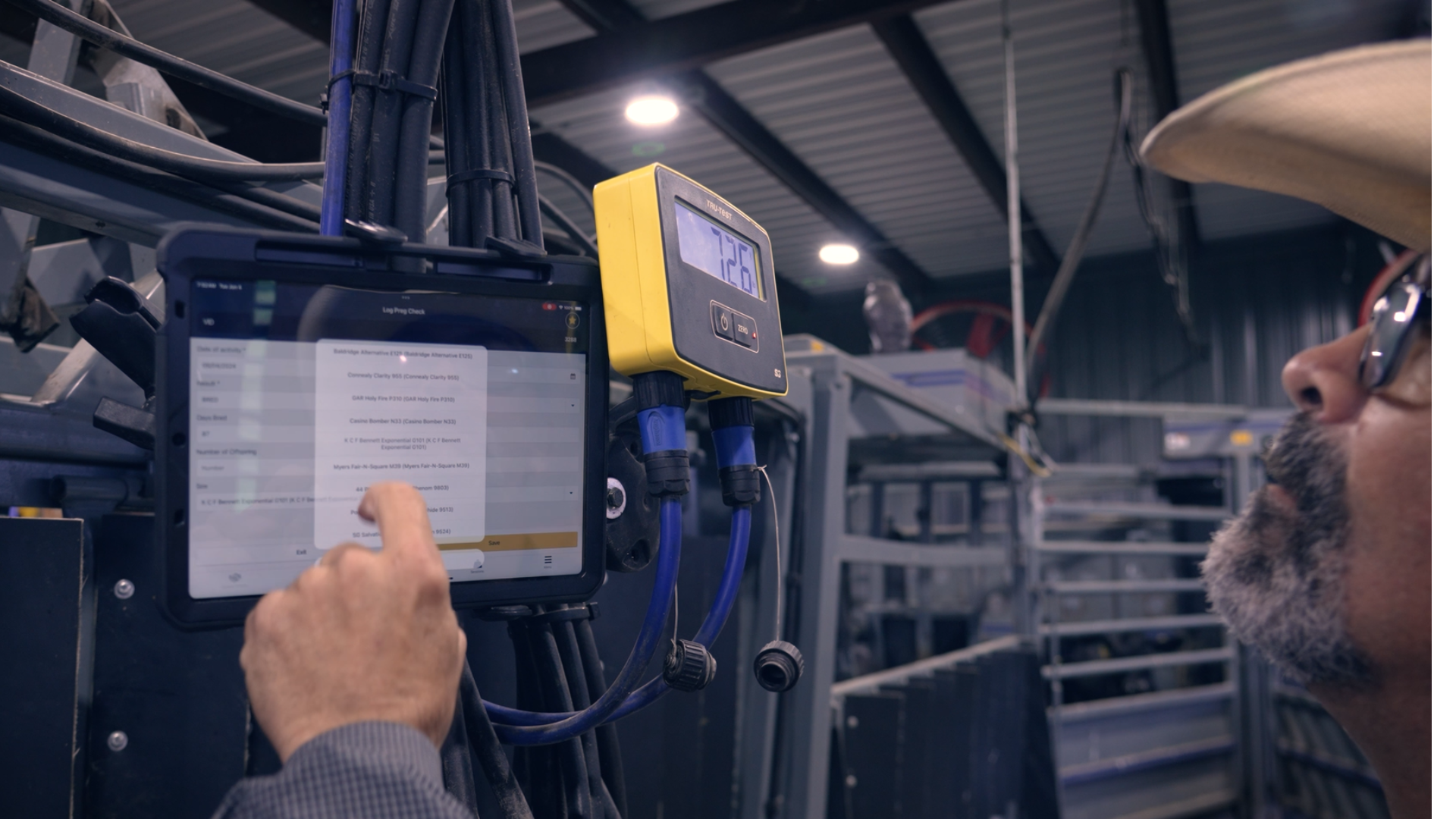
The biggest misconception about AI is that it starts with technology. In reality, it starts with data. Clean, timely, consistent data is the foundation. Without it, even the most advanced tools will produce unreliable results. For many operations, the opportunity is not in adopting AI immediately, but in improving how data is captured and used.
Where AI becomes powerful is in expanding what can be measured. The beef industry has long relied on a limited set of traits. Today, tools such as sensors, cameras, and machine learning models make it possible to capture new types of information—calf vigor, individual feed efficiency, health events, and carcass performance. These data points can reshape management decisions and genetic progress.
More importantly, AI is shifting the industry from hindsight to foresight. Rather than recording what has already happened, producers can begin using data to predict what is likely to happen next—whether that’s identifying animals at risk of illness, improving breeding decisions, or optimizing harvest timing. That shift is where AI starts to deliver real economic value.
Labor challenges are accelerating this shift. Many operations are managing with fewer people and less experienced labor. AI-enabled tools can help bridge that gap by identifying issues earlier and providing decision support in real time. These tools don’t replace stockmanship—they strengthen it, allowing producers to focus where it matters most.
However, AI is not a silver bullet, technology should not be adopted for its own sake. The most successful applications start with a clear problem—whether that’s improving grazing utilization, increasing reproductive efficiency, or capturing better downstream data. If AI solves that problem, it creates value. If it doesn’t, it adds complexity.
The beef industry is still early in this journey—closer to the early days of the internet than a finished product. But the direction is clear. The operations that will benefit most are those that focus on fundamentals, stay disciplined about data, and adopt technology with purpose.
As Wheal noted during the panel, platforms like Breedr are helping connect data across the supply chain—linking producers, feedyards, and processors to turn information into better decisions and continuous improvement.
AI will not replace good producers. But it will increasingly separate those who can turn data into decisions from those who cannot.
Stay in Touch
Join Our Newsletter